

Introduction
Imagine stepping off a launch capsule, floating through a docking hatch, then settling into your suite — no ground beneath your feet, just panoramic views of Earth sweeping into darkness. That’s the promise of space hotels: avoiding the traditional hotel lobby and checking in among the stars.
While this once lived in science fiction, today it’s edging toward reality. In this post, we’ll explore how orbital hospitality is evolving: who’s building it, how guests might live there, the economics and challenges, and what this means for the future of travel.
I. From Fantasy to Foundation: The Evolution Toward Space Hotels
1. Sci-Fi Dreams, Real Inspiration
The concept of hotels in space has long been a fixture of speculative fiction and futurism. The rotating-wheel space station — popularized by Wernher von Braun and later by 2001: A Space Odyssey — first planted the seed of artificial gravity in orbit. These visions have shaped how engineers, entrepreneurs, and the public imagine comfort beyond Earth.
Over time, those speculative ideas have merged with real orbital infrastructure, creating a pathway from fiction to feasibility.
2. Space Stations as Proto-Hotels
Long before we thought of luxury stays, the International Space Station (ISS), Mir, and modular stations served as functional habitations. Occasionally, private citizens (tourists) have visited—most famously Dennis Tito in 2001.
These missions taught us vital lessons: life support logistics, crew health, microgravity adaptation, supply chains, and the psychological challenges of confined quarters. Any orbital hotel must build upon those lessons and anticipate scaling them to civilian comfort levels.
II. Key Players Pioneering Orbital Hospitality
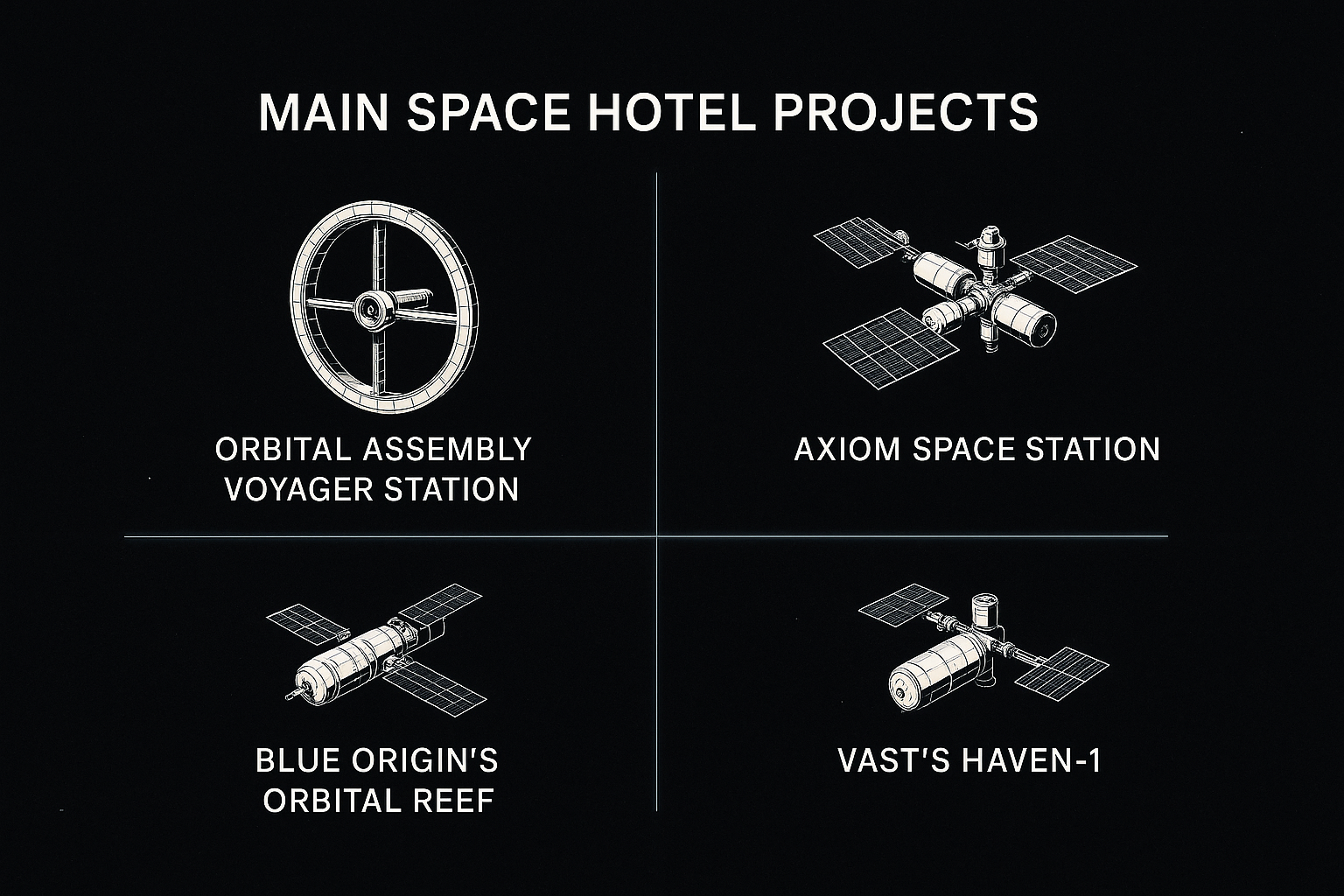
Multiple companies are now positioning themselves to build (or convert) orbital hotels or commercial stations with hospitality in mind.
1. Orbital Assembly Corporation / Above Space
Orbital Assembly (also known as Above Space) is a leading contender. Its planned Voyager Station is designed as a rotating wheel station that will offer artificial gravity. Construction is slated for the mid-2020s, with guest operations potentially beginning by 2027. This timeframe may be a bit ambitious, but time will tell.
Voyager aims to rotate ~1.5 times per minute to generate lunar-level gravity (some fraction of Earth’s), easing the transition for guests. It’s projected to host ~280 guests plus 112 crew.
Before full-scale Voyager, Orbital Assembly is also working on a smaller Pioneer Station to test systems and validate designs.
2. Axiom Space
Axiom has already contracted modules to attach to the ISS, with the vision that after the ISS retires, those modules will form an independent commercial station. Their hospitality side is less emphasized now, but they play a critical transitional role between government and private stations.
With the infrastructure in place, it shouldn’t be too much of a problem to partner with a preexisting hospitality-focused company to pivot into this sector.
3. Blue Origin / Sierra Space — Orbital Reef
Orbital Reef is a mixed-use commercial station concept led by Blue Origin, Sierra Space, and partners. It aims to operate more like a “business park in orbit,” combining research, commercialization, and tourist capabilities.
It’s planned for an orbit higher than the ISS, with modules launched via Blue Origin’s New Glenn rocket and crew transport via Boeing’s Starliner.
4. Other Players & Historic Attempts
- Orion Span / Aurora Station: Once touted as the first luxury space hotel, Aurora was meant to orbit with 4 guests and 2 crew on 12-day stays for ~$9.5 million. However, Orion Span shuttered before launch.
- Gateway Spaceport (Gateway Foundation / LLC): Envisions a rotating spaceport-hotel using von Braun–inspired architecture.
- Galactic Suite Design: A concept firm from Spain that pitched the “Galactic Suite Space Resort,” now defunct.
Each of these entities (past and present) informs the lessons, risk models, and technical blueprints for the orbital hospitality sector. With each idea and iteration, the reality of these once fanciful ideas becomes closer to fruition.
III. The Guest Experience: What Life in a Space Hotel Might Be Like
This section imagines what it could be like to actually live in a space hotel — from launch through check-out.
1. Arrival & Check-In
Launch & Ascent
Guests would board vehicles like SpaceX’s Starship or other crew-capable rockets. Some station proposals envision Starship ferrying passengers to Voyager.
Training preceding launch will be required: health screening, zero-gravity acclimation, emergency protocol drills, and technical orientation. Many current proposals budget months of preparation.
After days of training and a launch that feels more like controlled thunder than motion, guests arrive weightless, peering through capsule windows at a blue-white Earth below.
Once docked, attendants in sleek compression suits guide visitors through an air-lock into the station’s docking hub. Here, a subtle hum of circulating air replaces the silence of space. The transition corridor glows with soft LEDs as guests move toward the outer ring — the section that rotates to simulate gravity.
A gentle tug underfoot begins as centripetal force takes hold, grounding guests enough to walk normally. Walls curve upward, giving the uncanny sensation of living inside a wheel.
After check-in, guests might explore:
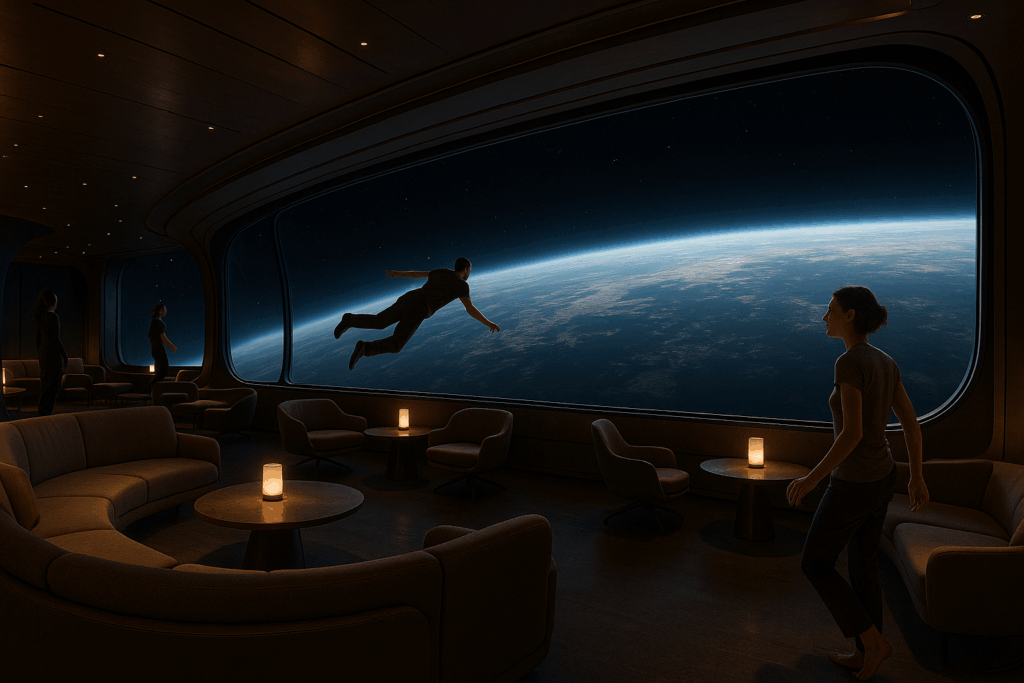
- Observation lounges with wrap-around windows, dimmed to emphasize the 16 sunrises and sunsets per day.
- Zero-G play zones near the center hub, where movement feels like slow ballet.
- Personal wellness suites, featuring gyroscopic treadmills, resistance bands, and compact cryo-spas designed for reduced-gravity recovery.
- Hydroponic gardens, where herbs, greens, and edible flowers grow under LED spectra — both a food source and a mental balm for guests missing Earth.
2. Accommodations
Spaces designed for comfort will need to condition guests to rotating gravity forces, while supplying Earth-like amenities:
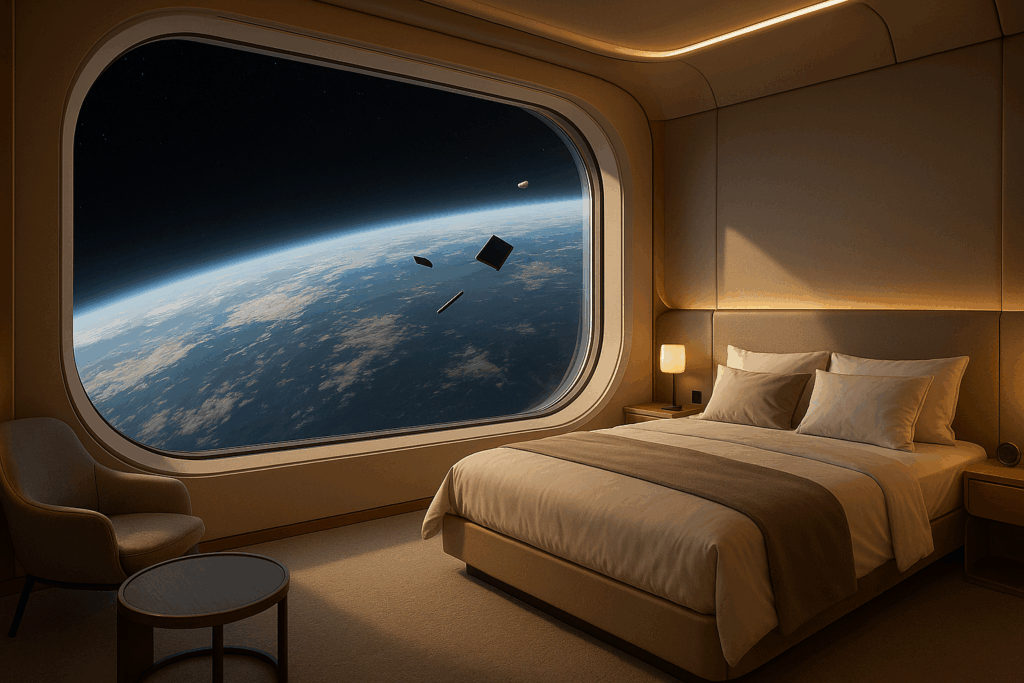
- Suites: Individual or modular rooms with secured surfaces (floors, walls, footholds), large portholes/windows, view balconies.
- Sleeping pods: Likely enclosed and stabilized to prevent drifting.
- Gravity zones vs zero-g areas: Some sections might preserve microgravity for unique experiences, while main living quarters maintain partial gravity.
3. Food & Dining
Meals in space hotels will likely blend rehydrated or freeze-dried base foods with fresh hydroponics and in situ cultivation when possible.
Evening brings a “Sunset Cycle Dinner,” timed with the passing terminator line across the Pacific. The curve of Earth glows below as chefs prepare multi-course menus using locally cultivated greens, vacuum-sealed proteins, and a touch of culinary theater — think floating droplets of espresso or perfectly suspended wine pearls.
- Central kitchens: Where food is prepared and then transported to dining modules.
- Specialty restaurants/bars: Expect luxury tasting menus adapted for reduced gravity, paired with molecular gastronomy and creative presentation.
- Beverage challenges: Handling liquids in lower gravity is tricky — drink gels, sealed containers, or magnetic/adhesive systems may be used. The creativity and artistry of chefs will undoubtedly be on peak display here.
4. Recreation & Activities
A big selling point will be experiences impossible on Earth:
- Spacewalks / EVA excursions (in controlled zones).
- Zero-G recreation: Float in atriums, play “gravity golf,” or float above floors.
- Low-G sports: Jumping, gliding, gentle acrobatics.
- Earth-view lounges / observatories: Panoramic glass modules with dramatic views.
- Cultural/entertainment venues: Concert halls, movie theaters, art installations, VR/AR experiences.
- Science / research modules: Guests might participate in experiments or citizen science.
5. Return & Check-out
Departure will mirror arrival in reverse: transfer back through the zero-gravity corridor, dock into a return capsule, and re-enter Earth’s atmosphere.
Post-landing, medical checks, debriefing, and welcome-home events would close the guest journey.
IV. The Economics of Space Hotels
For this vision to work, the models must be financially viable. Let’s break down the cost structure, revenue potential, and timeline.
1. Ticket Prices & Cost Structures
- Some estimates for voyages to Voyager place per-person costs in the multi-million-dollar range (e.g. ~$5 million) based on published projections.
- In contrast, early orbital tourist flights to the ISS (via Space Adventures) cost tens of millions per seat.
- The hefty cost comes largely from launch expenses, life-support infrastructure, safety redundancy, and insurance — the hotel itself is arguably a marginal incremental cost relative to launching hardware.
- As reusable rockets, in-space manufacturing, and economies of scale mature, the marginal cost of shipping mass to orbit could drop dramatically.
Why Is The Price Of All This So High?
Launching material to orbit currently costs between $2,000–$4,000 per kilogram using SpaceX’s Falcon 9. A single suite module weighing 20 metric tons would thus cost $40–80 million just to place in orbit — before assembly, life support, or staffing.
This means ticket pricing today mirrors those physics and logistics costs, not just profit margins. Roughly 70–80% of a trip’s cost comes from:
- Rocket launch & re-entry vehicles
- Life-support systems (oxygen generation, CO₂ scrubbing, water recycling)
- Safety redundancies and insurance
- Mission control & communications
- Crew training and payload certification
Compare this to early aviation: in the 1930s, a transatlantic ticket cost the equivalent of $12,000+ in today’s dollars. Within 50 years, mass production, better fuels, and jet engines cut that by over 90%.
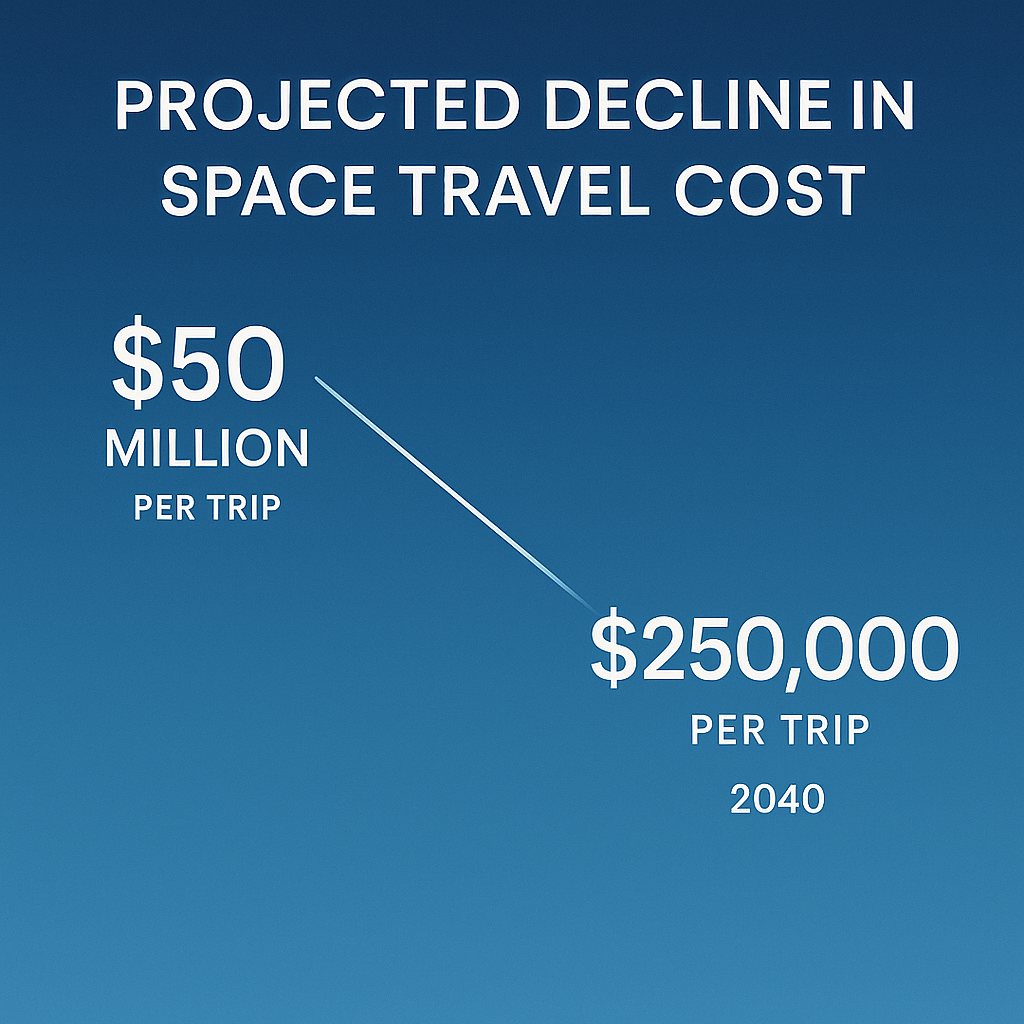
If Starship, New Glenn, and other reusable vehicles reach cost projections of <$500/kg, the price of a 3-day orbital stay could feasibly drop below $250,000 by the 2040s — still luxury, but within reach of the world’s top 1%.
Meanwhile, orbital hotels could offset costs through partnerships with national space agencies, selling research time, or even producing microgravity-manufactured materials — high-value fiber optics and protein crystals that grow better in space.
2. Revenue Streams
To sustain operations, space hotels will need diversified revenue:
- Room rates & stays: Core hospitality revenue.
- Luxury add-ons: Excursions, spacewalks, private modules, premium suites.
- Merchandising & media: Branded souvenirs, film/documentary rights, promotional content.
- Research & R&D partnerships: Leasing lab space, hosting experiments from governments or private entities.
- Sponsorships & naming rights: Corporations paying to brand modules or features.
- Real estate in orbit: Investors might own or lease modules, villas, or commercial parcels. Some indicate Orbital Assembly is pre-selling property in Voyager.
3. Market Access & Price Trajectory
- Now – 2030: Ultra-luxury, ultra-expensive stays for the wealthy or corporate clients.
- 2030–2040: As costs decline, more accessible to affluent travelers and niche early adopters.
- 2040+: If launch costs approach $100–200/kg, orbital hospitality might approach high-end cruise pricing and open to a broader market.
A rough analogy: just as air travel began as a privileged domain and eventually democratized, space hotels may follow a similar arc — albeit over decades.
V. Safety, Health, and Ethical Considerations
Building a safe, sustainable, and ethically sound orbital hospitality model is nontrivial.
1. Radiation, Microgravity & Human Health
- Radiation exposure: Outside Earth’s magnetosphere, cosmic rays and solar flares pose risks. Shielding, radiation-hardened materials, and emergency storm shelters are necessary.
- Microgravity effects: Muscle atrophy, bone density loss, fluid shifts, and vestibular adaptation are known challenges. Partial gravity (rotation) can mitigate some effects, but designs must account for resilience.
- Long-duration adaptation: For extended stays, medical monitoring, exercise regimens, and countermeasures must be built into the infrastructure.
2. Emergency Protocols & Redundancy
- Abort paths: Escape capsules or return vehicles must always be available.
- Module isolation: Segmented compartments to contain leaks, fires, or system failures.
- Life support redundancy: Oxygen, CO₂ scrubbing, water recycling must be fault-tolerant.
- Debris avoidance: Collisions with micrometeoroids or orbital debris require shielding and maneuverability.
3. Environmental & Ethical Impacts
- Orbital debris: More structures increase collision risks in low Earth orbit. Strategies for deorbiting, debris mitigation, and sustainable practices are essential.
- Equity & access: If only the ultra-wealthy can go, how do we frame narratives of space tourism?
- Cultural intrusion: If habitats are funded by nations or public funds, what obligations exist regarding regulation, oversight, and benefit sharing?
4. Planetary Stewardship
A space hotel isn’t merely a floating resort — it’s a pressure vessel where every heartbeat depends on technology working flawlessly. Engineers design these habitats with triple-redundant life-support systems, ensuring oxygen generation, CO₂ filtration, and temperature regulation even in the event of module isolation.
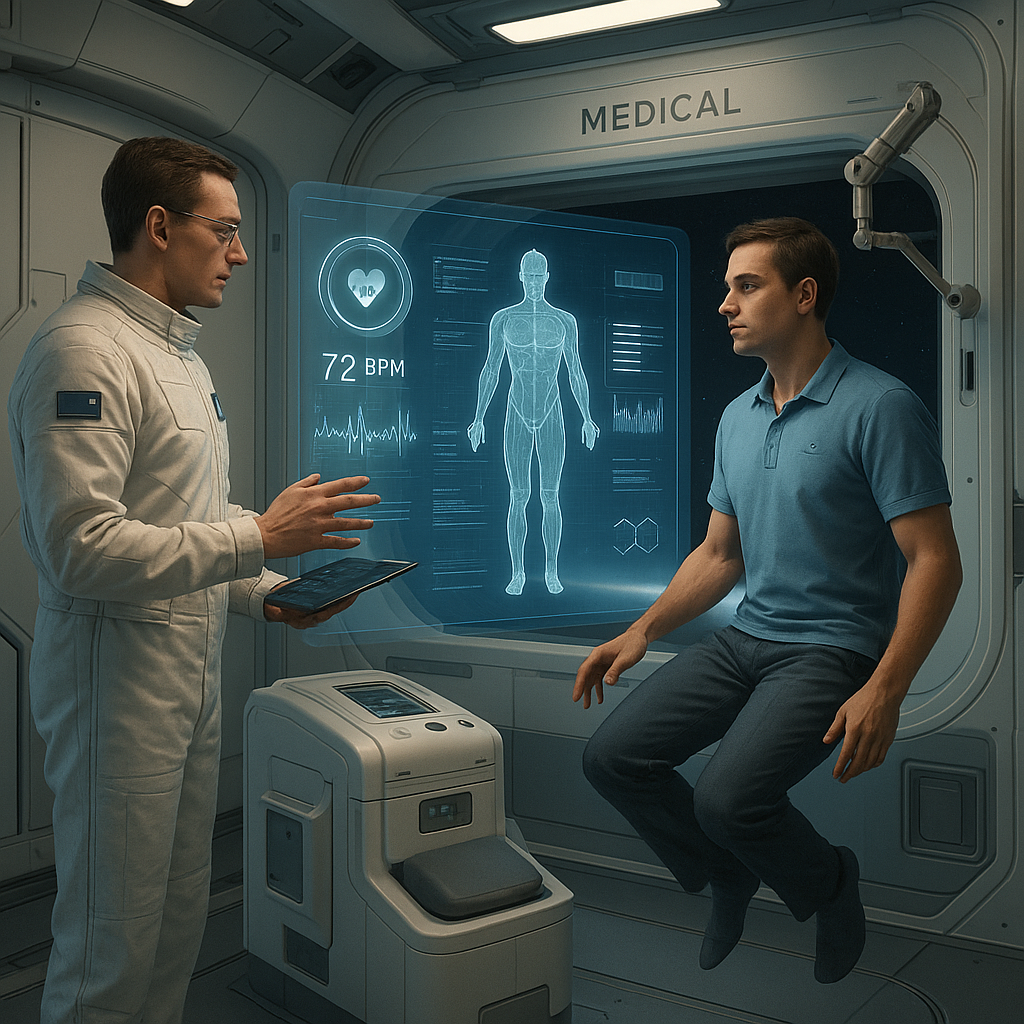
But safety goes beyond hardware. Future guests may undergo personalized pre-flight genomics and biometric screening to predict susceptibility to radiation or vestibular disorders. Onboard med-pods could continuously track hydration, muscle mass, and bone density, prescribing micro-doses of supplements or gravity therapy cycles automatically.
Ethically, orbital hospitality must also address the environmental footprint of launch emissions and orbital debris creation. Developers like Orbital Assembly and Axiom Space are testing closed-loop sustainability systems: recycling 98% of water, composting organic waste via microbial reactors, and designing re-entry plans that deorbit materials safely rather than leaving “space junk.”
In time, these same systems could feed back into Earth hotels — pioneering closed-loop luxury sustainability that redefines “green building” from the edge of space.
VI. The Future of Orbital Hospitality
1. Lunar Hotels & Beyond
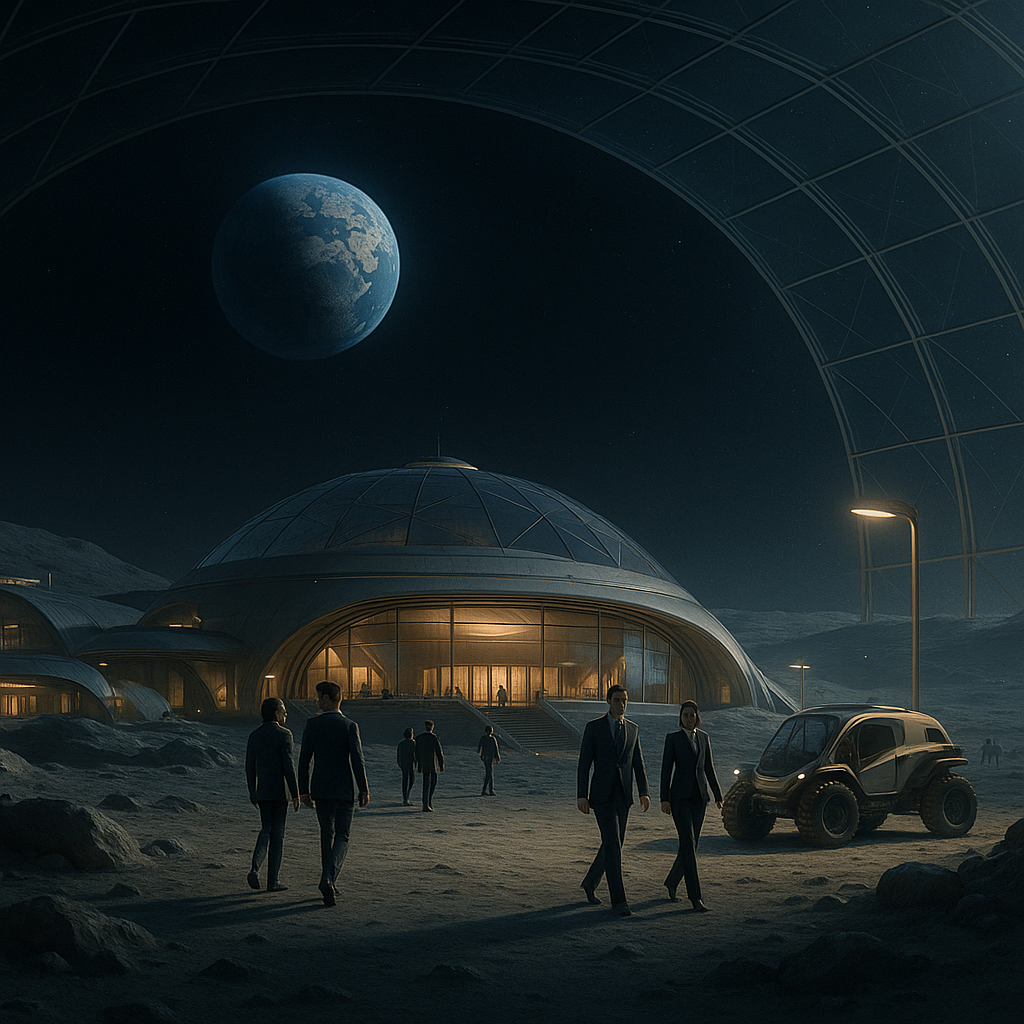
Once orbital stations are mature, the next frontier is surface-based hotels:
- Lunar resorts: Concepts exist (e.g. Hilton’s “Lunar Hilton” ideas) for hotels at lunar bases or craters.
- Mars hospitality: Farther ahead, but ultimately the staying-in-space paradigm could shift to hotels on Mars or its moons.
2. Symbiosis with Earth Tourism
Space hotels will drive branding, experiential crossovers, and prestige tourism. Think: “I stayed in orbit, now I stay at your Earth resort.” Luxury hospitality brands may partner or co-brand with orbital developers.
3. Culture Shift & Normalization
As space stays become more routine, public perception shifts. Children might dream of orbital vacations, alumni might take “space semester” retreats, or interstellar conference travel might become a thing.
4. Infrastructure & Ecosystem Development
Supporting industries will arise: orbital construction, in-space logistics, waste recycling, orbital agriculture, manufacturing in microgravity, in-situ resource utilization (ISRU). The hotel is just one node in the broader space economy.
Conclusion
Space hotels are no longer mere flights of fancy. Thanks to advances in reusable launch, modular space infrastructure, and entrepreneurial capital, orbital hospitality sits on the cusp of becoming real.
From the rotating rings of Voyager Station to the business-park hybrid plans of Orbital Reef, the designs are varied — but the vision is unified: to let humans live, relax, and explore beyond Earth.
Yes, challenges remain — from radiation and health risks to costs and sustainability — but every great hospitality frontier began with audacious thinking. As launch prices fall and more capital flows, the dream of waking up to Earth from your bedroom window might become a commercial reality.